1. Research projects in the Department of Urology by providing funds for equipment and supplies, technicians, research scientists, research nurses and research assistants. (Indirect costs associated with research are not covered.)
2. Education of resident doctors training to become urology specialists by supplying computer hardware, software, books, journals, education materials and travel grants to postgraduate courses and scientific meetings.
3. The start up of newly recruited doctors in the Department of Urologic Sciences, as they embark upon their clinical and scientific careers, by providing financial assistance.
Along with the support of individual urologists and medical students, the Foundation also provides assistance to the following organizations:
2. Education of resident doctors training to become urology specialists by supplying computer hardware, software, books, journals, education materials and travel grants to postgraduate courses and scientific meetings.
3. The start up of newly recruited doctors in the Department of Urologic Sciences, as they embark upon their clinical and scientific careers, by providing financial assistance.
Along with the support of individual urologists and medical students, the Foundation also provides assistance to the following organizations:
The Men's Health Initiative of British Columbia and The Canadian Men's Health Foundation

The Men's Health Initiative, the first of its kind in Canada, is the newest program in the Department of Urologic Sciences. Ofiically opened in 2009, the Men's Health Initiative is the result of the strategic thinking of notable individuals from multiple disciplines. Dedicated solely to the pursuit of excellence in men's health, their goals are to reach out to make men aware of their health risks, conduct research on men's attitudes about health, develop and promote best practices to facilitate educational partnerships, and lobby all levels of government to address a broad spectrum of "men specific" health issues: biological, physiological, social, and cultural.
https://menshealthfoundation.ca/
https://menshealthfoundation.ca/
The Vancouver Prostate Centre
|
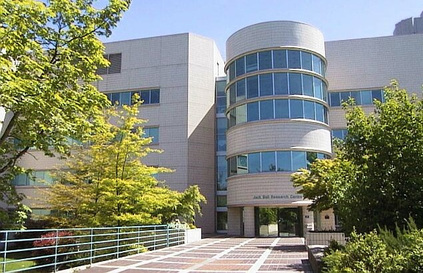
The world-renowned Vancouver Prostate Centre (VPC) has a comprehensive program devoted to education, research, teaching and care, with an emphasis on both clinical and basic science research. The team focuses its efforts on fighting prostate cancer through improved understanding of prevention, diagnosis and treatment, as well as patient education. VPC has a track record of success that has earned it a reputation of one of the world's most respected cancer facilities. It is a National Centre of Excellence and a designated Centre of Excellence for Commercialization and Research.
https://www.prostatecentre.com/ |
Department of Urologic Sciences at UBC

The Department of Urologic Sciences is part of the Faculty of Medicine at the University of British Columbia. UBC is a global centre for research and teaching, consistently ranked among the top 20 public universities in the world. Since 1915, UBC’s West Coast spirit has embraced innovation and challenged the status quo. Its entrepreneurial perspective encourages students, staff and faculty to challenge convention, lead discovery and explore new ways of learning. At UBC, bold thinking is given a place to develop into ideas that can change the world.
https:// urology.med.ubc.ca/
https:// urology.med.ubc.ca/
Prostate Cancer Supportive Care program
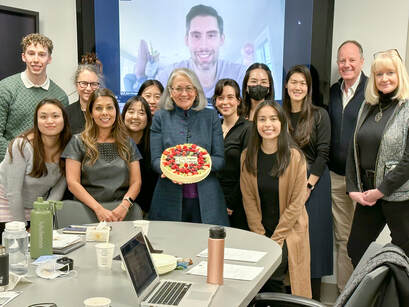
The Vancouver Prostate Centre's Prostate Cancer Supportive Care (PCSC) Program is a comprehensive survivorship program developed in 2013 for prostate cancer patients, their partners, and families from the time of initial diagnosis onwards. The PCSC Program is a clinical, educational, and research-based approach to care, addressing the challenges of decision-making and coping along the entire disease trajectory to serve both the patient and their partner’s physical and psychological needs.
The PCSC Program currently includes eight modules which prostate cancer patients can take part in with more modules in development. These modules include group educational sessions and clinical services in the following areas:
• Primary Treatment Options
• Sexual Health
• Exercise
• Nutrition
• Androgen Deprivation Therapy
• Pelvic Floor Physiotherapy for Bladder and Bowel Concerns
• Counselling Services
• Metastatic Disease Management.
The PCSC Program is committed to delivering the excellence of its program to prostate cancer patients and their families across British Columbia using virtual health, telephone and/or in-person options. The program is available at no cost to patients. Prostate cancer patients can self-refer to this program or be referred by their doctor (a doctor’s referral is required for the Sexual Health Service).
https://www.pcscprogram.ca
The PCSC Program currently includes eight modules which prostate cancer patients can take part in with more modules in development. These modules include group educational sessions and clinical services in the following areas:
• Primary Treatment Options
• Sexual Health
• Exercise
• Nutrition
• Androgen Deprivation Therapy
• Pelvic Floor Physiotherapy for Bladder and Bowel Concerns
• Counselling Services
• Metastatic Disease Management.
The PCSC Program is committed to delivering the excellence of its program to prostate cancer patients and their families across British Columbia using virtual health, telephone and/or in-person options. The program is available at no cost to patients. Prostate cancer patients can self-refer to this program or be referred by their doctor (a doctor’s referral is required for the Sexual Health Service).
https://www.pcscprogram.ca
The Stone Centre at Vancouver General Hospital
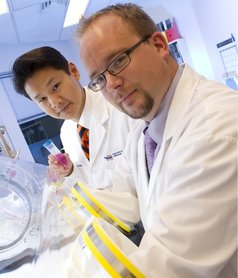
The Stone Centre at Vancouver General Hospital has an international reputation for its care, treatment, and research of kidney stone disease. The Stone Centre consists of “The Acute Stone Centre at Vancouver General Hospital” which provides direct treatment to patients with kidney stones, and “The Stone Centre Research Laboratories” which focus on ongoing clinical trials and laboratory research. Together these allow the centre to constantly improve the treatment of patients with kidney stones and further understanding of the basic mechanisms of kidney stone formation to help prevent kidney stones in patients.
https://stonecentrevgh.ca/
https://stonecentrevgh.ca/
